Seaweed can sound like an ingredient in search of a recipe — something you admire in a shop and then never quite know what to do with at home. The truth is that most sea vegetables slot into two very ordinary places on the table, and once you see them there, the whole shelf makes sense. The first is soup, where a pinch of wakame or a strip of kombu adds body and a soft savory depth to a bowl of broth. The second is salad, where soaked seaweed brings a cool, silky texture and a fresh taste of the sea to raw vegetables. Neither asks much of you. A soup gains seaweed in the last minute of cooking; a salad gains it after a five-minute soak. This is a practical tour of both — a few dependable ways to actually eat the seaweed you have bought, using the softening you already know from the earlier guides.
The everyday bowl: wakame in soup
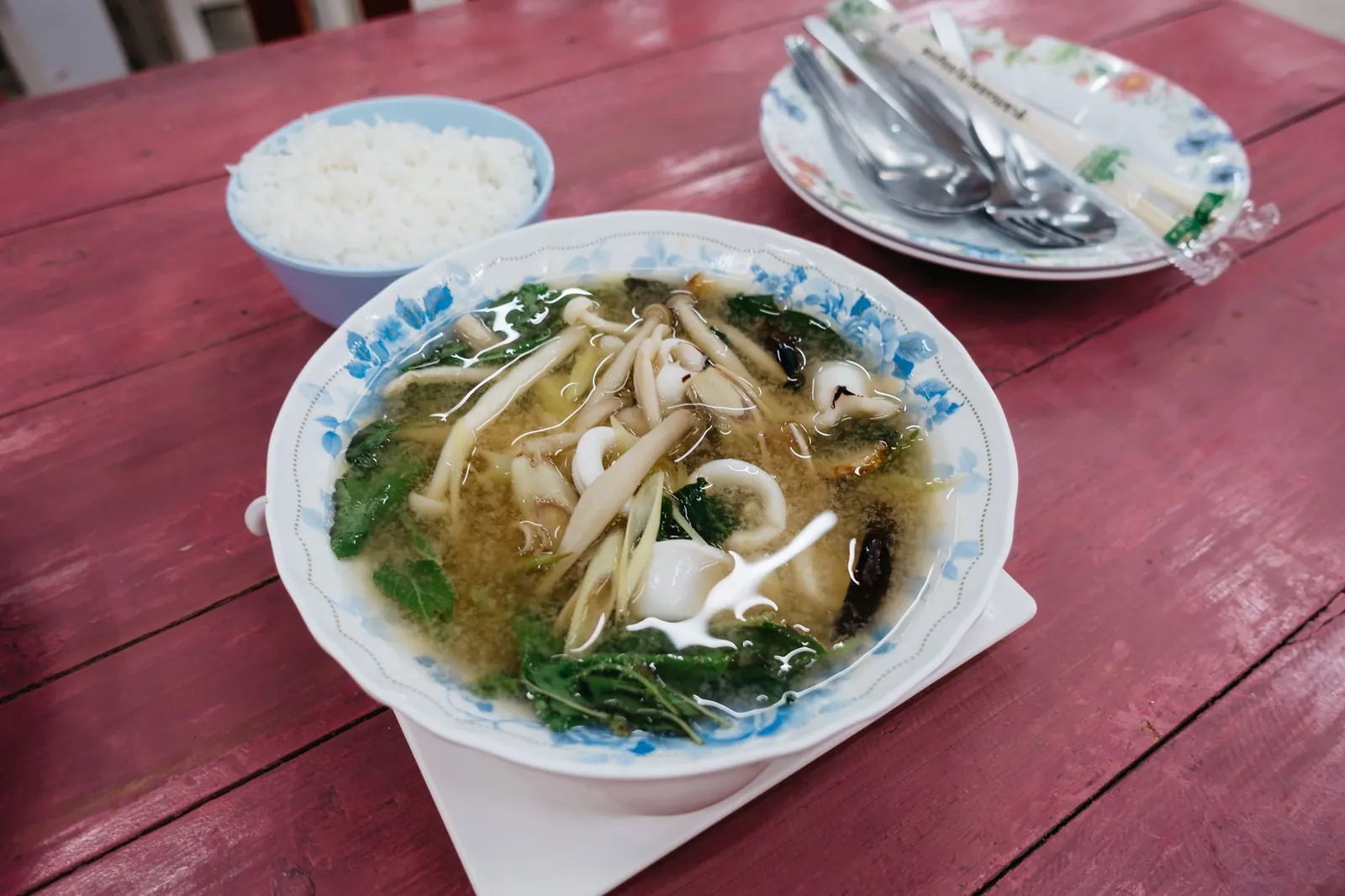
The most natural home for seaweed is a bowl of soup, and the classic is miso soup with wakame. It is barely a recipe. Warm a light broth — a plain kombu broth is ideal, but water with a spoon of miso stirred in works fine — then add a small pinch of dried wakame in the last couple of minutes off a hard boil. The wakame swells into soft green ribbons in the hot liquid, and that is all it needs. A little sliced spring onion or a cube of soft tofu turns it into a proper light meal.
The same idea stretches far beyond miso. A pinch of wakame livens up any clear vegetable soup, a bowl of noodle broth, or a simple pot of stock you are drinking as is. Because the seaweed cooks in seconds, add it near the end so it stays tender rather than turning to mush. Soup is the low-effort, high-reward way to eat sea vegetables several times a week without thinking about it.
The cool plate: seaweed salad
The other great home for seaweed is a cold salad, and here wakame is again the star. Soak a small amount of dried wakame in cool water for five to ten minutes until it softens, then drain and squeeze it well — soggy seaweed dilutes a dressing. What you have now is a bowl of tender green ribbons ready to dress. The simplest treatment is a splash of rice vinegar, a little soy, a few drops of sesame oil and a scatter of sesame seeds. Tossed together, it becomes a bright, savory, refreshing side in a couple of minutes.
From that base you can build. Thin half-moons of cucumber are the classic partner — their crunch and cool water content play against the silky seaweed. Grated carrot adds colour and sweetness; a few sesame seeds and a pinch of chilli add interest. The dressing does the work, so keep it sharp and light and let the seaweed's fresh, faintly briny flavour come through.
Small additions to salads you already make
You do not need a dedicated seaweed salad to get sea vegetables onto a plate. A little soaked, squeezed wakame folds happily into salads you already like. Stir some through a grain salad of rice, barley or quinoa for texture and a savory note. Add a small handful to a cucumber or tomato salad. Toss a few ribbons into a bowl of cold noodles with a sesame dressing. In each case the seaweed is a supporting player, adding a cool, soft, savory element that makes an ordinary salad feel a bit more considered.
Crushed toasted nori works here too, as a finishing sprinkle rather than a soaked ingredient — a pinch over a salad adds a savory-toasty top note in the same way a scatter of seeds would.
Bringing it together on a plate
Put the two ideas side by side and you have an easy, satisfying meal that leans on the seaweed shelf without any fuss. A small bowl of clear broth with wakame and tofu, a cool wakame-and-cucumber salad dressed with vinegar and sesame, and a bowl of plain rice with a little torn toasted nori on top: three simple things, all quick, all built around a couple of packets of dried sea vegetables. None of it takes special skill, and none of it takes long. That is really the whole promise of cooking with seaweed — not elaborate dishes, but small, dependable ways to bring a fresh, savory taste of the sea to the food you would be making anyway.