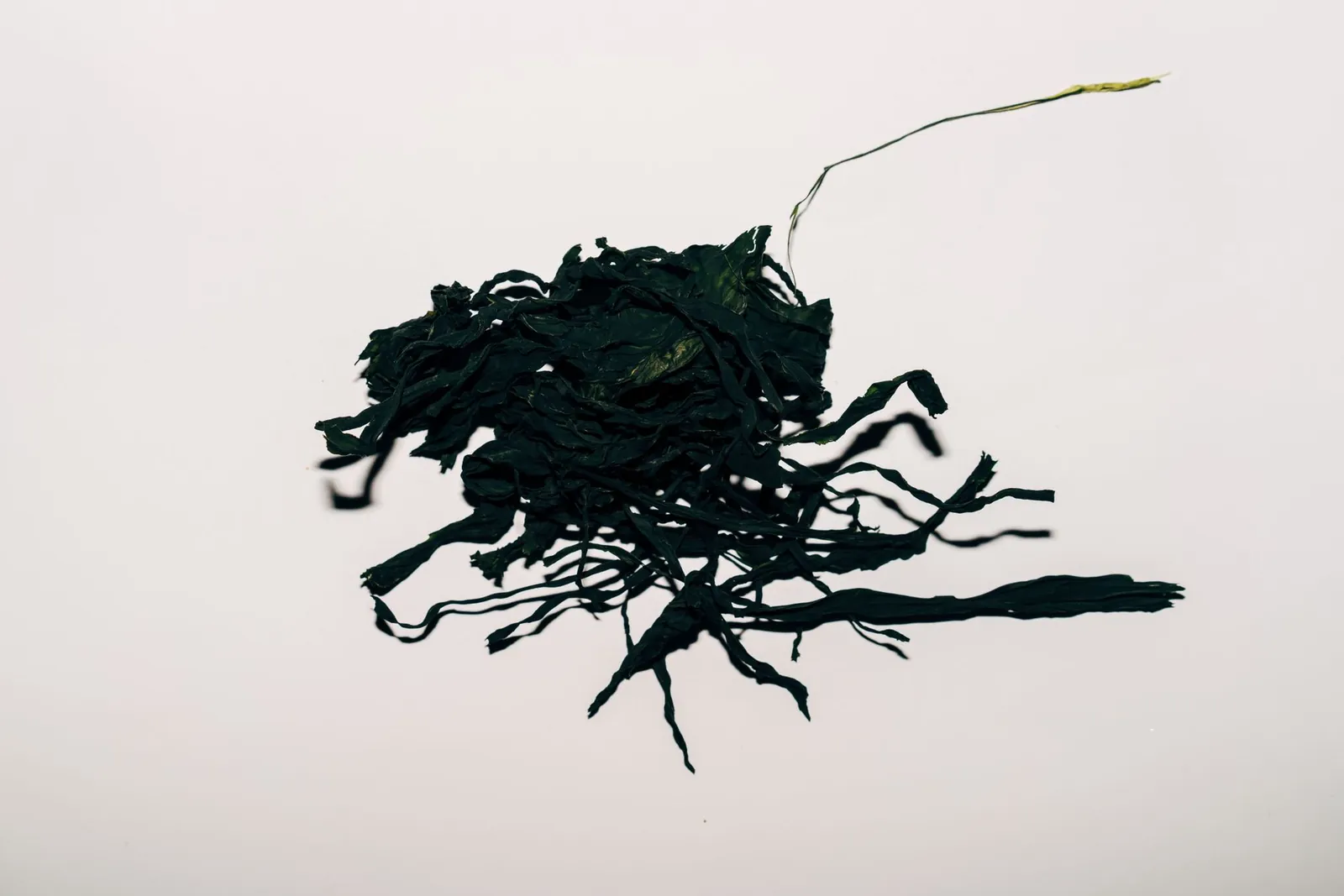
The first time you soak dried wakame, the result can be alarming. You measure out what looks like a modest teaspoon of dark, brittle flakes, cover them with water, turn to do something else, and come back to a bowl brimming with soft green ribbons that seem to have arrived from nowhere. This is the single most useful thing to understand about most sea vegetables: dried, they are compact and deceptively small, and water brings them back to several times their dry size. Once you have felt that expansion happen a couple of times, the whole business of cooking with seaweed stops feeling like guesswork. Rehydrating is not a skill so much as a habit — a few minutes in water, a squeeze, and you are done — but knowing roughly how much water and how much time each type wants saves you from either a hard, under-soaked flake or a soggy, over-soaked mush. This is the plain mechanics of it.
Why soaking works
Drying is simply the oldest way to preserve seaweed: pull the water out, and it keeps for months without spoiling. Soaking reverses that. The dried tissue draws water back in, softens, and returns close to the texture it had fresh from the sea. Because so much water was removed, a little dried seaweed becomes a lot of soaked seaweed — wakame in particular can swell to several times its dry volume, which is exactly why recipes ask for such small dry amounts.
Cool or room-temperature water is usually all you need. Hot water works faster but can make delicate types slippery and can dull their fresh flavour, so save heat for when you are in a hurry. The soaking water itself is not waste, either — for some seaweeds it carries flavour worth keeping, though for saltier or sandier types you may prefer to drain it.
Timing by type
Different sea vegetables want different soaks, and the differences are easy to remember once you group them by thickness.
Wakame and other thin, cut seaweeds are quick: five to ten minutes in cool water is plenty. They go from brittle to tender fast, and leaving them much longer only makes them limp. Once soft, drain them, give a gentle squeeze to remove excess water, and they are ready to slip into a soup or salad.
Kombu and thicker kelp take longer to soften but are usually handled differently — often soaked for a while and then gently heated in the pot they will flavour, rather than eaten as a soft vegetable. A cold soak of twenty to thirty minutes loosens a stiff strip and helps it release flavour when you go on to warm the water.
Nori is the exception: you generally do not soak it at all. It is thin enough to soften on contact with warm rice or hot broth, and dunking it in water usually just turns it to paste. Treat nori as a dry seasoning to tear or crumble, not something to rehydrate.
Getting the texture right
Good rehydrated seaweed is tender but still has a little life to it — a soft, silky bite rather than a slither. The main way people go wrong is oversoaking, which leaves thin types waterlogged and flavourless. Set a timer if you are prone to wandering off, and check by feel: lift a piece out, and if it bends easily and feels supple rather than crunchy, it is done.
After soaking, a firm but gentle squeeze matters more than it sounds. Soaked seaweed holds a surprising amount of water, and dropping it undrained into a salad will dilute your dressing or leave a puddle at the bottom of the bowl. Press it lightly in your hand or against the side of a sieve, and only then dress or add it.
A quick everyday method
Here is the version you will actually use most nights. Put a small pinch of dried wakame in the bottom of a bowl or mug. Pour over enough cool water to cover it well, since it will drink most of it. Wait while you get on with the rest of the meal — five minutes or so. Drain, squeeze, and stir the ribbons into miso soup, a bowl of noodles, or a cold cucumber salad. That is the whole technique. Do it a handful of times and you will stop measuring altogether, judging the pinch by eye and trusting the water to do the rest.